Custard Creams Are Fine — But These Six Forgotten British Biscuits Deserve Your Winter Oven
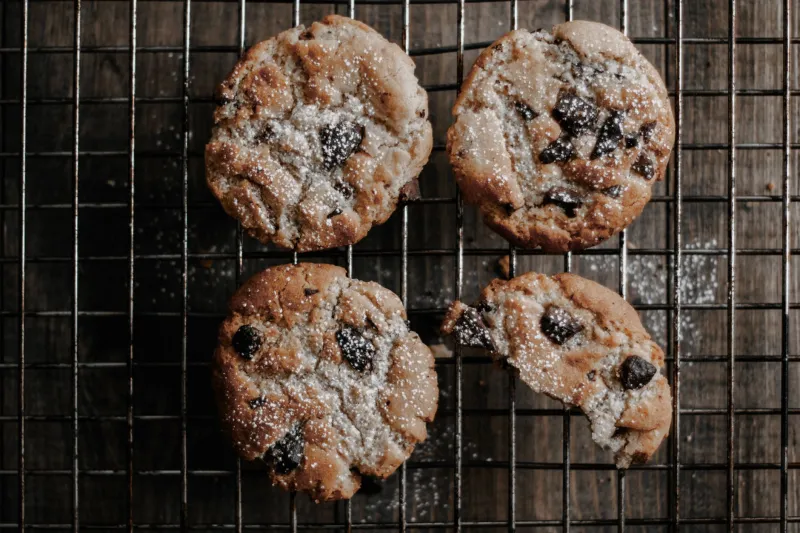
There is a particular kind of November afternoon when the light goes at four o’clock, the heating clicks on, and the only sensible response is to make a cup of tea and bake something buttery. This is biscuit weather. Not the fancy patisserie kind. The old-school kind: simple dough, a hot oven, a tin that smells like butter and sugar.
Biscuit-making is cheap kitchen therapy. It takes less time than a doomscroll, costs less than a takeaway coffee, and gives you something to show for it. And while we all love a custard cream, there is a whole cast of forgotten British biscuits that deserve a comeback in 2026. Here are six to start with, plus the tin etiquette debate that no one asked for but everyone needs.
1. Gypsy creams
Two oat biscuits, a chocolate buttercream middle, and a name that would probably get a marketing team in trouble today. These are chewy, cocoa-rich and dangerously easy to eat warm.
Makes about 10 sandwiched biscuits. Heat the oven to 180C/160C fan/gas 4. Beat 100g soft butter with 50g caster sugar and 1 tbsp golden syrup until fluffy. Stir in 100g porridge oats, 75g plain flour, 1/2 tsp bicarbonate of soda and a pinch of salt. Roll into small balls, flatten slightly, and bake on lined trays for 12–14 minutes until golden at the edges. Cool completely. For the filling, beat 75g soft butter with 100g icing sugar and 2 tbsp cocoa powder, adding a splash of milk if needed. Sandwich the biscuits. Modern twist: add a pinch of sea salt to the filling.
2. Melting moments
These are the quiet heroes of the biscuit tin. Cornflour makes them short and crumbly, and the buttercream middle makes them feel far more special than the effort involved.
Makes about 12. Heat the oven to 170C/150C fan/gas 3. Beat 175g soft butter with 75g icing sugar until pale. Mix in 100g plain flour, 50g cornflour and the zest of one orange. Roll into small balls, place on lined trays, and press gently with a fork. Bake for 12–15 minutes — they should be pale gold, not browned. Cool. Beat 75g soft butter with 150g icing sugar and a few drops of vanilla extract, then sandwich the biscuits. Modern twist: swap the orange zest for lemon and add a little lemon curd to the filling.
3. Garibaldi biscuits
Also known as fly biscuits, because the currants look like they have landed on the dough. Ignore the nickname. These are sweet, squidgy and excellent with a strong cup of tea.
Makes about 12 fingers. Heat the oven to 180C/160C fan/gas 4. Beat 100g soft butter with 75g caster sugar. Mix in 150g plain flour and a pinch of salt to make a soft dough. Roll out on a floured surface to a rectangle about 5mm thick. Scatter over 75g currants, fold the dough over, roll again gently, and cut into fingers. Bake for 10–12 minutes until lightly golden. Cool on the tray. Modern twist: add a little chopped candied peel to the currants.
4. Shrewsbury biscuits
Buttery, crisp and studded with currants, these are the biscuits your grandma would have kept in a proper tin. They are simple enough for a first attempt and good enough to make again immediately.
Makes about 14. Heat the oven to 180C/160C fan/gas 4. Beat 150g soft butter with 75g caster sugar until creamy. Mix in 200g plain flour, 50g currants, the zest of one lemon and a pinch of salt. Bring together into a dough, roll out to about 5mm thick, and cut into rounds. Sprinkle with caster sugar and bake for 12–15 minutes until golden. Cool on a rack. Modern twist: add a few fennel seeds for a subtle aniseed edge.
5. Empire biscuits
A Scottish classic: two rounds of shortbread, a smear of jam, a cap of icing and a glace cherry on top. They look like tiny stained-glass windows and taste like a school fete in the best possible way.
Makes about 10. Heat the oven to 170C/150C fan/gas 3. Beat 175g soft butter with 75g caster sugar, then mix in 250g plain flour to make a shortbread dough. Roll out to 5mm thick and cut into rounds. Bake for 15–18 minutes until pale gold. Cool. Sandwich pairs with raspberry jam. Mix 150g icing sugar with a little water to a thick icing, spread on top, and finish with a glace cherry. Modern twist: use blackcurrant jam and a tiny pinch of freeze-dried raspberry in the icing.
6. Aberffraw biscuits
A Welsh shortbread with a scalloped edge, traditionally baked in a special mould. You can use a fluted cutter instead. They are crisp, buttery and just sweet enough.
Makes about 12. Heat the oven to 170C/150C fan/gas 3. Beat 150g soft butter with 100g caster sugar. Mix in 200g plain flour, 50g rice flour and a pinch of salt. Bring together, roll out to 5mm thick, and cut with a fluted round cutter. Bake for 12–15 minutes until set and lightly golden. Cool on a rack. Modern twist: add the seeds from two cardamom pods, crushed, to the dough.
The tin etiquette debate
Now the important bit. A biscuit tin is a small society, and every society needs rules. Here are ours.
-
The last biscuit must be offered before it is taken. You may then take it if no one has moved within four seconds. This is the law.
-
Greaseproof paper between layers is non-negotiable. Nobody wants a Garibaldi welded to a Gypsy cream.
-
Do not put the tin out unless you are prepared for it to be emptied. If you are precious about your baking, keep it in the cupboard and ration it like wartime.
-
Jammy sides up or down? Down. The icing is the top. This is not a debate.
-
If someone brings you a tin of homemade biscuits, you must return the tin. Not with a packet inside. With something you have baked. That is the circle of life.
Bake a tin, not a resolution
You do not need a new hobby, a sourdough starter or a gym membership. You need a bowl, a wooden spoon, a hot oven and a free afternoon. Make one batch. Eat two warm. Put the rest in a tin. Then make a cup of tea and watch the rain. That is winter done properly.